Pre-launch
Sudal
Interactive Preference Data Collection Layer
A product for collecting preference and visual taste data through image-based A/B choices and balance games.

AI Persona Synthesis Research
AI Persona Synthesis Research is Root Kernel’s core product direction for creating AI Personas and synthetic audiences from actual choice data and image-based preference signals.
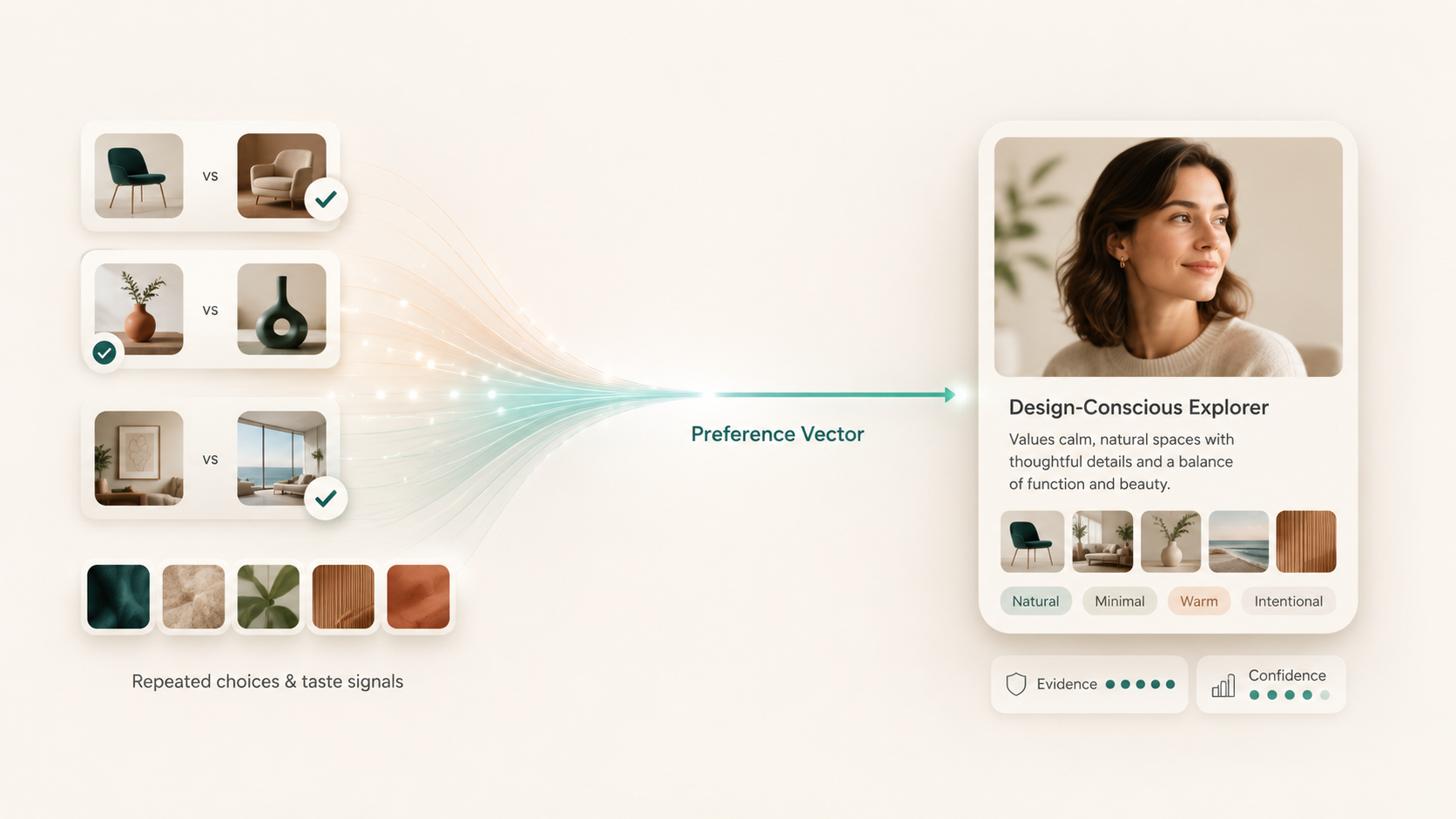
Sudal collects the data. Space Compiler fuses AI with psychometrics, researching and building systems to transform this data into reliable persona artifacts and synthetic audiences.
Technologies
Sudal collects the data. Space Compiler fuses AI with psychometrics, researching and building systems to transform this data into reliable persona artifacts and synthetic audiences.
Interactive Preference Data Collection Layer
A product for collecting preference and visual taste data through image-based A/B choices and balance games.
Preference & Persona Synthesis Engine
A synthesis engine fusing AI with psychometrics to research and build systems that transform choice data and preference signals into reliable persona artifacts.
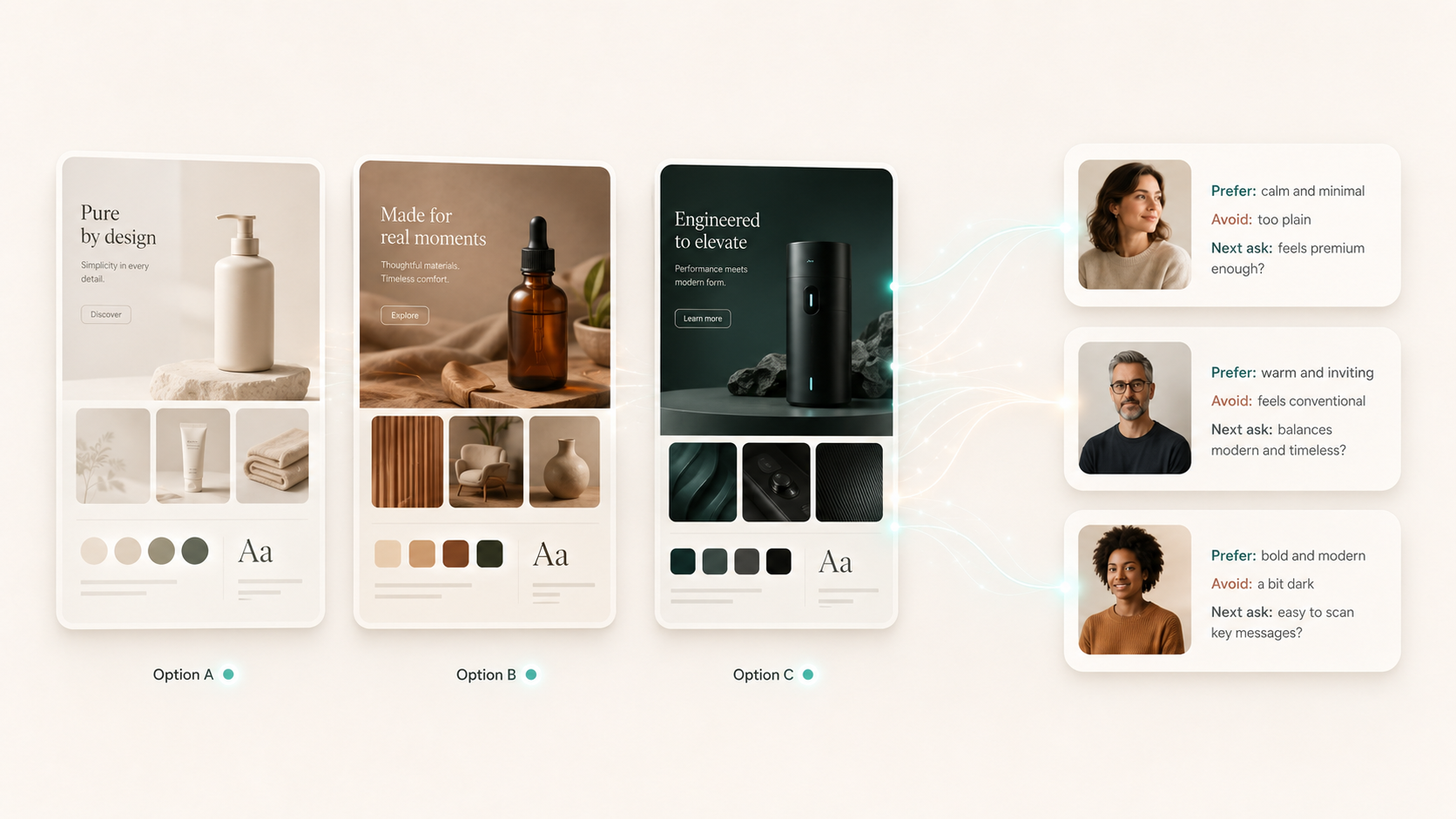
First application direction for AI Persona Synthesis Research
The first application direction for exploring reactions to product, brand, advertising, package, and UI designs with AI Personas and synthetic audiences.
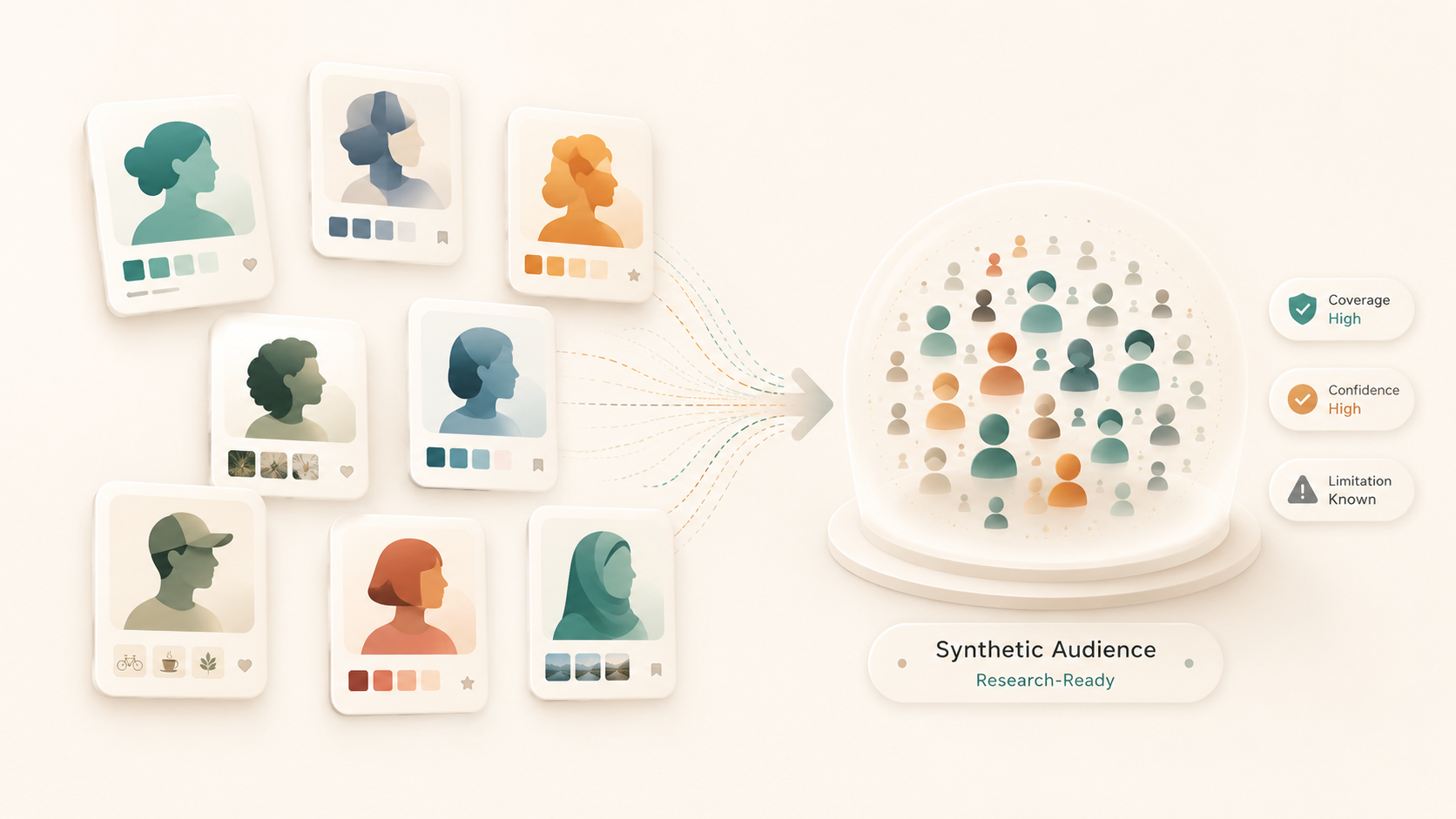
AI Persona Pool as a Service
Beyond Vision Feedback, Root Kernel aims to build AI Persona Pools for surveys and polling, and long-term infrastructure that can provide persona pools to research and polling organizations.
Difference
Root Kernel does not rely only on public statistics or a small set of expensive panel interviews. It aims to build AI Personas from preference data collected through Sudal's image-based balance games and repeated A/B choices, including visual taste signals.
| Approach | Limit | Root Kernel's view |
|---|---|---|
| Public-statistics personas | They can describe group averages such as age, gender, and region, but they are weak at real taste and design preference. | Public statistics are used for group baselines and weighting, while preference judgment is grounded in actual choice data. |
| Panel-interview personas | They can be deep, but they are expensive, hard to repeat, and can depend too heavily on a small number of respondents. | Sudal is designed to accumulate repeated choice data more naturally through balance games and A/B choices. |
| Root Kernel AI Personas | A demographic profile alone is not enough. Real choice patterns and visual taste should be connected to the persona. | Personas can be connected not only to text preferences, but also to visual preference signals for color, mood, design, UI, and package images. |
Foundations
AI Persona Synthesis Research is not about inventing imaginary customers. It sits on a growing research market, human-grounded AI studies, and practical ways to turn choice data into evidence.
Market Signals & AI Adoption
Customer research is already a market above $150 billion. At the same time, companies want faster and more affordable ways to test ideas. Qualtrics materials show that many researchers are already experimenting with synthetic data in real workflows.
Human Behavior Simulation
Stanford HAI-related research shows that AI agents grounded in interviews and self-reports from 1,052 real people can show response patterns similar to the original participants on some survey tasks. The important point is simple: AI personas become more useful when they are grounded in rich human data, not when they are invented from scratch.
MIRT, TIRT & Adaptive Testing
Choosing between A and B is not just a click. Repeated choices can become small signals about taste, preference, and context. Space Compiler is designed to keep the evidence behind those signals visible, including how confident or limited each estimate should be.
Visual Preference & Personality
People do not express taste only through words. The colors, moods, packages, ads, and UI screens they choose can also matter. Image-based choice research supports the idea that well-designed visual choices can become useful preference signals.
Public Statistics & Guidelines
Root Kernel does not claim that AI Personas replace real human research. Public statistics are used only for group-level baselines and weighting, not to label individuals. AI Personas are positioned as a pre-research layer for narrowing hypotheses before human validation.
Pipeline
Sudal collects data, while Space Compiler aims to transform choice signals into AI Personas and synthetic audiences.
Sudal → Repeated Choice Data → Space Compiler → AI Persona Pool → Vision Feedback / Survey & Polling